
When Emotional Tools Become Emotional Pressure

Social-emotional learning (SEL) tools, like emotion charts, daily check-ins, and coping strategy prompts, are designed to help children understand and express their feelings. These resources can be invaluable, offering language for emotions and pathways to self-awareness. Yet, even the most well-intentioned tools can sometimes shift from support to expectation, creating subtle pressure for children to respond “correctly” rather than honestly.
The Unintended Shift: From Support to Expectation
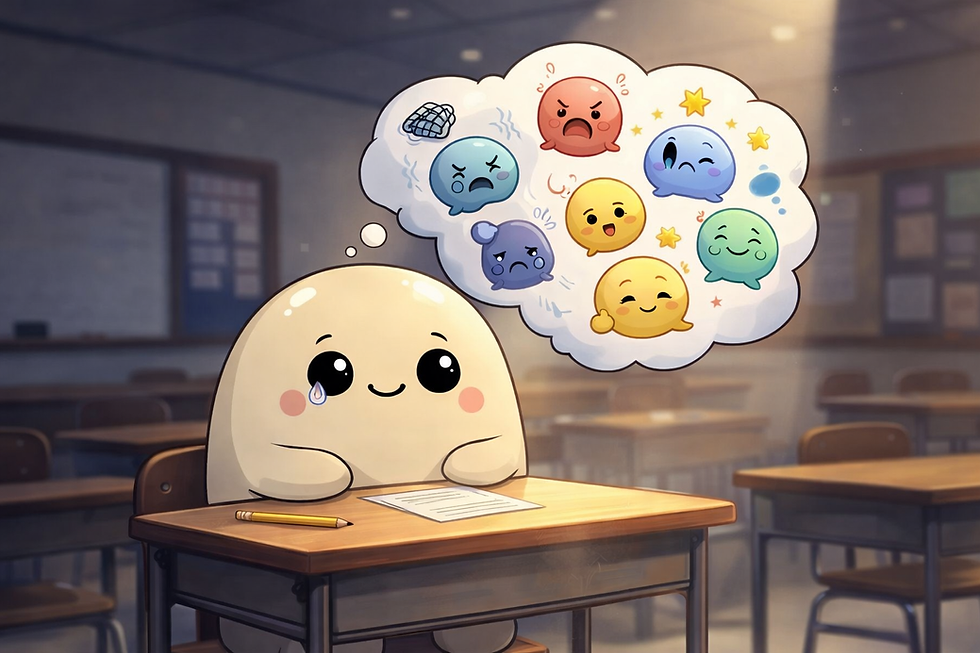
In classrooms and homes, emotional tools often become part of daily routines. A teacher might ask, “How are you feeling today?” or a parent might encourage a child to pick an emotion from a chart. While these practices are meant to foster openness, children may begin to sense that certain answers are preferred. Over time, some may default to saying they’re “fine” or choose the same emotion repeatedly, not because it’s true, but because it feels safe or expected.
This pressure can show up in small ways: a child hesitating before answering, glancing at peers for cues, or disengaging from emotional activities altogether. The intention is always to help, but for some children, the experience begins to feel like a test, one where honesty matters less than choosing the “right” answer.
The Impact on Neurodivergent Learners
For neurodivergent children, the stakes can feel even higher. Many are skilled at masking, hiding their true feelings or behaviors to fit in. When emotional tools become routine, these children may worry about choosing the “wrong” emotion or fear that their genuine feelings won’t be accepted. The result can be increased anxiety, reluctance to participate, or a sense of isolation.
It’s important to remember that all children, regardless of neurotype, benefit from emotional safety. But for those who experience the world differently, the pressure to perform emotionally can be especially challenging.
Prioritizing Safety, Choice, and Regulation
Emotional safety means children feel free to share, or not share, what’s true for them. Optional participation matters; children shouldn’t feel compelled to name an emotion or engage in a check-in if they’re not ready. Regulation before reflection is also essential: children need to feel calm and secure before they can access and articulate their feelings.
Gentle Alternatives: Music, Rhythm, and Shared Experience
Sometimes, words aren’t the best way to support emotional growth. Music, rhythm, and shared experiences offer gentle alternatives. Singing together, moving to a beat, or simply listening to music can help children regulate their emotions and connect with others, without the pressure of verbal explanation or performance. These approaches invite participation without demand, allowing children to engage at their own pace and in their own way.
A Compassionate Call to Notice and Adjust
As caregivers and educators, our goal is to support… not to demand. It’s worth pausing to notice when emotional tools begin to feel like pressure, and to adjust our approaches accordingly. By prioritizing honesty, connection, and emotional safety, we create environments where all children, neurodivergent and neurotypical alike, can truly thrive.
Emotional tools are valuable, but they work best when paired with compassion, flexibility, and a willingness to listen for what’s not being said. Sometimes, the most powerful support is simply letting children know that whatever they feel is welcome, and that there’s no “right” answer.


Excellent perspective